Rural Reboot
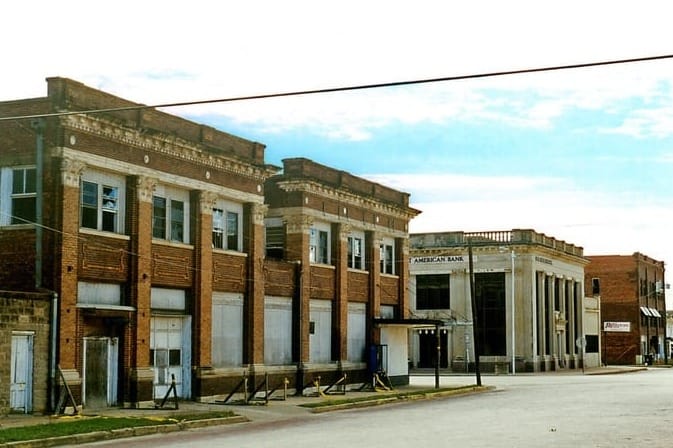
Series Introduction
Co-founded by T.C. Andrews and Axel Calloway, Rural Reboot was born from witnessing our own small hometowns decay from the inside out—while the locals keep smiling, waving, and tossing out “praise Jesus” like it’s a cure-all for civic rot.
But this isn’t a hate-letter to rural America. It’s a rescue plan for the places that raised us.
What Rural Reboot is
Rural Reboot is an ongoing series about why small communities stall, shrink, and sometimes quietly collapse—and what it actually takes to reverse it. Not in theory. Not with slogans. With real cause-and-effect, real incentives, real systems, and real choices.
We’re going to say the parts out loud that people usually avoid because it’s uncomfortable, political, or “not nice.” And then we’re going to do the more important part: show the fixes that work and explain how regular people can push them forward.
Who this is for
This is for:
- The citizen who’s tired of watching the same five people carry everything.
- The parent who wants their kids to have a reason to stay.
- The business owner who can’t hire, can’t grow, or can’t survive another slow year.
- The newcomer who sees obvious solutions—but learned quickly that “obvious” isn’t always welcome.
- The civic leader who knows the town’s on a slope, but needs a better playbook than “hope.”
If you care about your hometown—even if you’re mad at it—this is for you.
The promise
Here’s what you can expect from this series:
- Plain language, not academic fog.
- Factual grounding wherever possible.
- Hard truths, but not pointless cruelty.
- Solutions attached to the problems—because diagnosis without direction is just performance.
No spin. No “everything is fine.” No “if we all just believe harder.”
What we’re not doing
We’re not here to publicly shame individuals for sport. We’re not here to pick petty fights. And we’re not interested in “both sides-ing” obvious dysfunction just to avoid ruffling feathers.
We are interested in accountability—especially institutional accountability—because towns don’t decline by accident. They decline by incentives, habits, denial, and silence.
Why launch this now?
Because the warning signs aren’t subtle anymore:
- Empty storefronts that don’t come back.
- Shrinking school enrollments and thinning talent pipelines.
- Workforce shortages that aren’t “nobody wants to work”—they’re “nobody wants to stay.”
- Civic groups working hard in separate bubbles, duplicating efforts, stepping on toes, and burning out.
- A cultural reflex of defending “tradition” even when tradition is what’s choking the town.
We’re not waiting until the town becomes a case study.
The roadmap
The series will move in a logical sequence—starting with foundations, then systems, then actions. Topics include:
- Apathy and civic disengagement (the quiet killer)
- Education and skills as the pipeline to retention and growth
- Workforce retention and why young adults leave (and don’t return)
- Local commerce leakage and how money quietly exits the community
- Institutional silos (ten groups doing one job, none coordinating)
- Downtown decline and what actually revives it (spoiler: not another committee photo)
- Leadership, governance, and accountability without vendettas
- Practical economic pathways: entrepreneurship, cottage industry, tourism, and “small wins that compound”
Each piece will connect to others, because rural decline isn’t one problem—it’s a network of problems feeding each other.
How you can participate
We want input—not drive-by complaining, but useful intelligence:
- What’s the most visible issue you see right now?
- What local asset are we underusing?
- What “tradition” is actually holding the town back?
- What’s one fix you’d support if you knew it would be enforced?
As the series rolls out, we’ll offer ways to submit topics, questions, and examples. If you want change, you don’t need a title—you need traction.
One more thing: WWWDS
Along the way, we’ll include a recurring segment called WWWDS—“What Would We Do, Seriously?”
Short, blunt, practical answers. No poetry. No permission slips.
Because at some point, every town has to decide whether it wants comfort—or recovery.
— T.C. Andrews & Axel Calloway
Rural Reboot